
CENTRAL WELLNESS · BILLINGS, MONTANA
TDEE Calculator for Weight Loss: How Many Calories Do You Need?
Start with an estimate of what your body uses each day. Then build a plan around your health, your routine, and the changes you can keep.
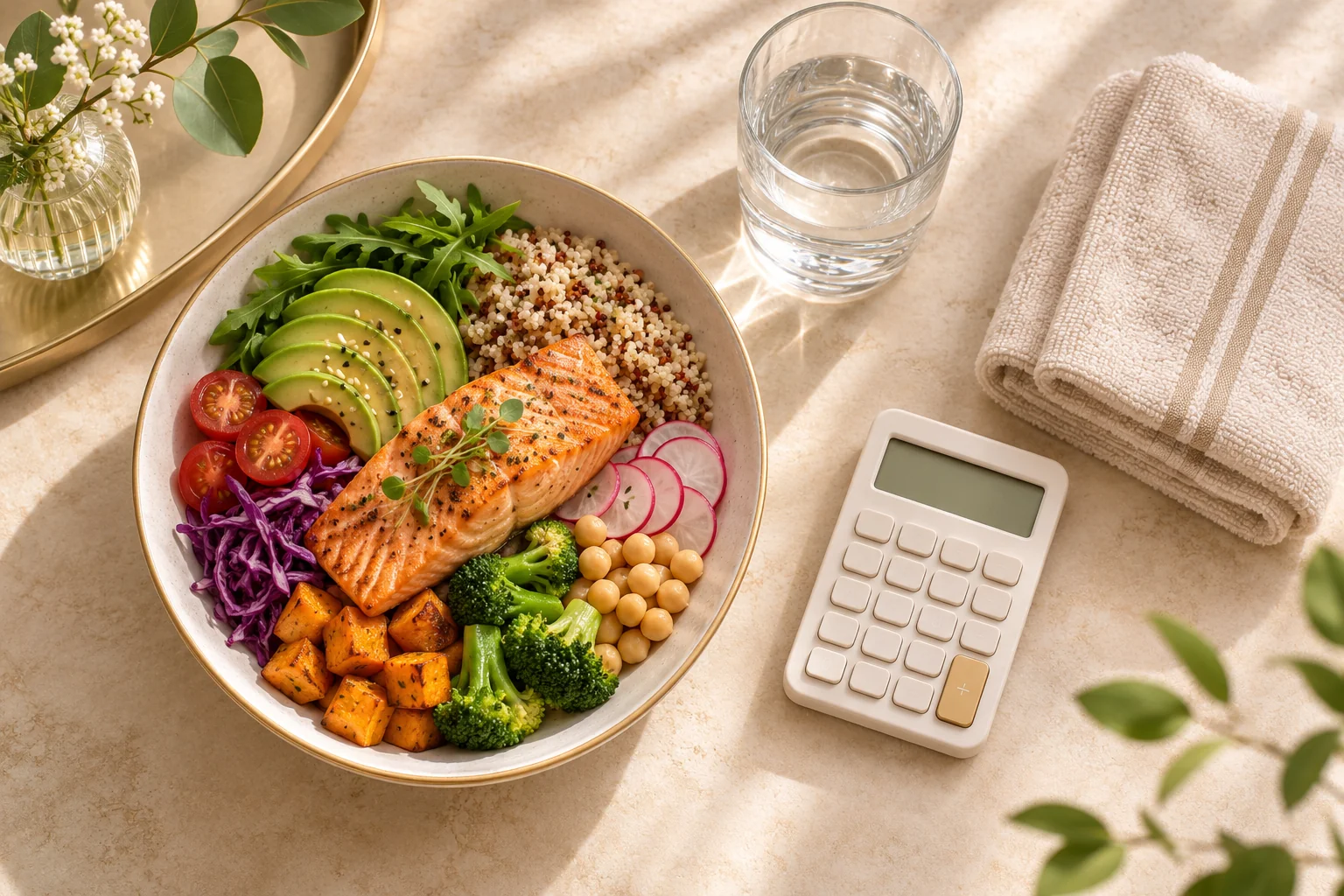
Two people can eat the same meals and have different calorie needs. Body size, age, daily movement and other factors all matter. That makes a one-size-fits-all calorie goal a shaky place to start.
TDEE means total daily energy expenditure: an estimate of the calories your body uses in a day. It includes energy used at rest, activity and digestion. A TDEE calculator can help you understand maintenance calories before you consider changing your intake for weight loss.
Use the tool below, then read how to interpret the result. If you want help turning an estimate into a plan, explore medical weight loss at Central Wellness in Billings, MT.
For adults 18 and older. This estimates daily energy needs; it does not prescribe a weight-loss diet. Do not use during pregnancy or breastfeeding. If calorie tracking is distressing or you have an eating-disorder history, ask your care team for a different approach. No email required. This calculator does not send or store your entries. Activity factors are rough planning assumptions, not measured energy expenditure.TDEE calculator: estimate your maintenance calories
What your TDEE result means
The maintenance estimate is the amount of energy that could roughly match your daily needs at your current body size and activity level. It is not a required intake, a maximum you must stay below, or a promise that your weight will stay exactly the same.
The calculator first estimates resting energy expenditure using the Mifflin–St Jeor equation. It then applies your selected activity factor to estimate total daily needs. The original study developed a prediction equation from measurements in 498 adults. An equation is useful for planning, but it cannot measure your individual metabolism.
Resting energy is different from total daily energy
Resting energy supports basic functions such as breathing and circulation. TDEE adds the energy associated with the rest of your day. Many calculators label the resting estimate “BMR.” Strictly speaking, basal and resting metabolic rates are measured under different conditions; this tool estimates resting energy.
The equation: resting calories = (10 × weight in kg) + (6.25 × height in cm) − (5 × age in years) + a coefficient of 5 for the male equation or −161 for the female equation. Estimated TDEE = resting calories × activity factor.
A worked example
For a hypothetical 40-year-old using the female equation, at 75 kg and 165 cm, estimated resting energy is about 1,420 calories per day. With the light-activity factor of 1.375, estimated maintenance is about 1,950 calories per day. Those numbers illustrate the calculation; they are not a suggested intake for you.

Choose activity based on your whole day
Think about the hours between workouts. A person who sits at a desk most of the day may have different needs from someone who walks and lifts throughout a shift, even if both exercise after work. Select the description closest to your typical week rather than your busiest day.
The activity multipliers in this tool range from 1.2 to 1.9. They are broad assumptions, not part of an individual metabolic test. The result already includes an activity allowance, so adding every exercise calorie from a watch on top can count the same activity twice.

How to use TDEE for a weight-loss plan
Weight loss generally requires an energy deficit over time: taking in less energy than your body uses. The useful question is what change you can sustain while meeting your nutrition needs. A calculator alone cannot answer that. NIDDK explains how eating patterns and physical activity work together and why calorie needs can decrease as body weight changes.
- Start with your current routine. Note meals, drinks, activity, sleep and how you feel. Look for a pattern you can change, rather than trying to overhaul everything at once.
- Choose a manageable action. Examples include planning a balanced lunch or taking a short walk during a work break. Pick an action that fits your schedule and physical abilities.
- Review the trend. If tracking weight is appropriate for you, compare measurements taken under similar conditions over several weeks. One day's scale reading is not a verdict on your plan.
- Adjust with support. Bring your estimate and observations to a clinician or registered dietitian. They can help assess an appropriate intake and whether a weight-loss goal fits your health needs.
The CDC favors gradual, steady weight loss over rapid loss and emphasizes nutrition, activity, sleep and stress management. Its general reference of about 1–2 pounds per week is not a target everyone needs to meet. Your pace and goals may be different.
Why a calculator may not match your experience
Estimates have limits. The formula does not directly measure muscle mass, the energy cost of your workday, or changes in your metabolism. An activity category can also be a poor fit for a week that mixes long seated days with strenuous weekends.
Weight management also involves factors a calculator cannot diagnose. The NIDDK overview of factors affecting weight and health discusses medicines, health conditions and lifestyle. If your experience does not match the estimate, that does not prove you have a hormone problem—or that you need to restrict more food.
Seek individual advice if you have unexplained weight changes, a medical condition that affects nutrition, or medication questions. Do not change a prescription based on a calorie result.
Weight-loss support in Billings, MT
If you are looking for a local next step, Central Wellness offers medical weight-loss services in Billings. Bring your questions, current medications and what you have already tried to a consultation. You can discuss whether a medically guided approach is appropriate for you.
A useful question to ask is: “How will we decide whether this plan is working for my health?” That keeps the conversation focused on your needs and follow-up, rather than a single calculator number.
Explore our weight-loss program or call 406-869-1066.
TDEE and weight-loss questions
Is TDEE the same as a calorie goal for losing weight?
No. TDEE estimates the energy you use to maintain your current weight. A weight-loss intake would require a separate, individualized decision. This calculator deliberately reports maintenance energy rather than prescribing a deficit.
Should I eat below my resting metabolic rate?
A resting-energy estimate is not a stand-alone safety threshold or a diet prescription. Whether an intake meets your needs depends on nutrition, health history and the plan's supervision. Ask a qualified clinician instead of using BMR as a rule for how little to eat.
How often should I calculate TDEE again?
Revisit the estimate when your weight or usual activity changes meaningfully. Daily recalculation adds precision the equation does not have. Use longer-term patterns and your care team's guidance.
Can I use this calculator if I am pregnant or breastfeeding?
No. This tool is intended for adults who are not pregnant or breastfeeding. These life stages require different nutritional planning. The NIDDK Body Weight Planner also excludes pregnancy, breastfeeding and people under 18.
Will I need medication to lose weight?
A TDEE estimate cannot determine that. A clinician can review your medical history, goals and treatment options with you. The calculator does not assess eligibility for medication.
Educational information, not individualized medical advice. Estimates are rounded and may differ from measured needs. No specific weight-loss outcome is guaranteed.